Blog

  • Final Reflection!

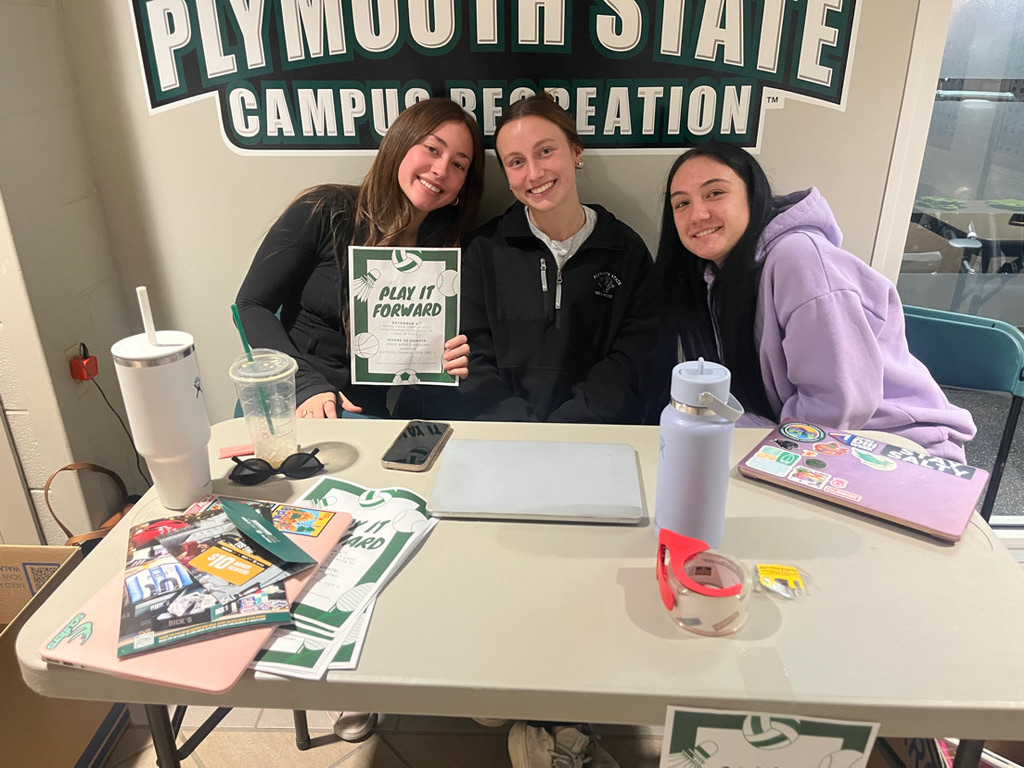
    As I wrapped up my Signature Project, a sports clothing drive called Play it Forward, we finally got to see the idea move from planning into real action. The final stage of the project took place at a table we set up in the HUB, right in front of the gym. We were positioned next to another group from class whose project focused on how polyester clothing is harming the environment, which created an interesting contrast between our tables. While their messaging focused on discouraging certain types of clothing, mine centered on giving clothing a second life to help student-athletes who can’t always afford gear. Setting up the display, arranging the donation bin, and preparing informational materials made me realize how much my project had grown from a simple idea to something with real community impact.

    One of the biggest realities we faced that day was the turnout, or lack thereof. We only received a few donations from students passing through the HUB. It was a little discouraging at first; I had imagined more interaction and more people bringing gear. However, the low turnout compelled me to employ the Habit of Mind: Inquire & Seek Evidence. Instead of just assuming we had “failed,” I paid attention to what was happening around us. The HUB at that time of day had mostly students rushing to class or the gym, not necessarily people carrying extra clothing or thinking about donating. That observation helped me understand that environmental factors: timing, foot traffic, and convenience, matter just as much as motivation. In another setting or schedule, we might have collected more. I also think that advertising it more and having drop boxes out for longer would have brought in more donations.

    Despite the low student turnout, we did receive one of the most unexpected donations of the day: our professor gave us three pairs of skis and a pair of skates. This donation became a highlight of the project, showing that even if the audience isn’t the one you expect, people still respond to a meaningful cause. It also pushed me to think critically about the Habit of Mind Integrative Perspective. Even though I had planned the drive with student-athletes in mind, the professor’s donation reminded me that community needs aren’t limited to one group. There are students on campus and even families in the local community who could benefit from winter sports equipment. It broadened how I understood the purpose of the drive and who it could support.

    The final steps of the project were small but meaningful. After the tabling event, I collected the items we received and prepared them for distribution. Even though the overall amount was smaller than I expected, I still wanted to make sure everything was organized, clean, and ready to be used. Doing this required self-regulated learning: staying committed even when the results weren’t dramatic, following through on the goals I set, and not letting low turnout diminish the value of the project. This reflects a line from a community engagement reading earlier in the semester: “Impact is not measured only by scale, but by intention, clarity, and connection.” I kept returning to that idea as I reflected on what the project accomplished.

    The reception from the people who did interact with the table was positive. A handful of students asked questions about where the donations would go, and a few even said they wished they had known earlier so they could bring items. This feedback showed me the importance of purposeful communication: clearer social media promotion, earlier advertising, or mobile collection options could have brought more engagement. Even though the table didn’t draw a huge crowd, the conversations we did have were meaningful and showed that the project resonated with people. The professor’s donation also demonstrated that the idea had enough value to inspire action—even if it wasn’t the action I originally predicted.

    Overall, the final outcome of my Signature Project wasn’t massive in numbers, but it was meaningful in experience. I learned how to take an idea from concept to implementation, adjust to challenges on the spot, observe audience behavior, and reflect honestly on what worked and what didn’t. Most importantly, the project made me more aware of the skills I’m building for my future in exercise science and OT: communication, adaptability, planning, and community-centered thinking. The sports clothing drive may not have filled an entire room with donations, but it filled a real need, and it gave me a clearer sense of the kind of professional I want to become.

  • Carrying the Skills I’ve Developed Forward

    Working on my sports clothing drive has shown me that even a community-based project can closely mirror the expectations of my future career in exercise science and occupational therapy. What seemed simple at first (collecting gently used sports gear for students who need it) quickly grew into a project requiring organization, communication, and problem-solving at a professional level. As I reflect on the experience, I see clear links between the responsibilities I took on and the skills required in fields that involve working with athletes, clients, and interdisciplinary teams. The General Education Habits of Mind, especially purposeful communication, integrative perspective, and self-regulated learning, have helped me recognize these connections more clearly.

    One of the most obvious connections is the communication involved in running the drive. To encourage donations and spread awareness, I had to design posters, make social media posts, and hold conversations with coaches, athletes, and community members. Each audience required a slightly different approach. This mirrors what the American College of Sports Medicine (ACSM) describes as a core competency in the field: the ability to communicate effectively with diverse populations, including athletes, parents, and allied health professionals. Crafting messages that were clear, motivating, and respectful helped me practice purposeful communication in a real-world setting. Just as an exercise professional must explain programs or safety guidelines to clients, I had to explain the purpose and logistics of the drive in a way that motivated others to take action.

    The project also required strong organizational and logistical planning—skills that align with responsibilities in both coaching and occupational therapy. According to the Bureau of Labor Statistics, OT practitioners must “plan, implement, and adjust treatment plans based on client needs and available resources.” While my project was not clinical, it involved similar problem-solving: figuring out drop-off locations, scheduling collection dates, arranging storage, and adjusting the plan when challenges came up. For example, we had a hard time finding cardboard boxes for our drop boxes. We ended up taking cardboard boxes from home. This decision came from analyzing patterns, an example of the Habit of Mind inquiring and seeking evidence, and making a targeted change. In OT, this same skill translates to modifying a treatment plan when an intervention isn’t working as expected.

    Leadership and collaboration were also major parts of the project. I coordinated with teams, asked coaches to help spread the message, and accepted feedback when people suggested improvements. This is directly connected to the teamwork expectations in exercise physiology and OT settings, where practitioners collaborate with physicians, trainers, teachers, and families. A line from the National Board for Certification in Occupational Therapy (NBCOT) stood out to me during my research: “Effective practitioners engage in collaborative problem-solving across disciplines to support client participation.” Running the clothing drive gave me experience in similar collaborative work—listening, adjusting, and understanding multiple perspectives (an example of an integrative perspective) (Occupational Therapy, U.S. Bureau of Labor Statistics). For instance, when a coach mentioned that many athletes lacked cold-weather layers specifically, I shifted part of the outreach to focus more on those items.

    Finally, this project strengthened my ability to use self-regulated learning, planning, tracking progress, and evaluating my own performance. I had to set deadlines, hold myself accountable, and reflect on what was working. These same processes are crucial in my future career, where lifelong learning and adaptability are expected. Exercise science constantly evolves as new research emerges, and OT practitioners must maintain continuing education throughout their careers. Working on the drive helped me practice the habit of monitoring my own learning and adjusting my strategies, which is essential for staying competent and responsive in health-related fields.

    Overall, my sports clothing drive taught me far more than how to organize a donation event. It provided me with hands-on experience in practicing skills that directly translate to careers in exercise science, occupational therapy, communication, planning, leadership, collaboration, and reflective learning. These connections help me view the project not just as community service, but as a meaningful professional development opportunity. By engaging deeply with the Habits of Mind and applying them to real responsibilities, I strengthened abilities that will continue supporting me long after this class ends.

    Occupational Therapists : Occupational Outlook Handbook: : U.S. (n.d.). Bureau of Labor Statistics. Retrieved December 4, 2025, from https://www.bls.gov/ooh/healthcare/occupational-therapists.htm

  • Research Behind “Play It Forward: The Sustainable Sportswear Drive”

    As our group has continued developing Play It Forward: The Sustainable Sportswear Drive, the research we’ve done behind the scenes has shaped our project far more than someone might realize from simply seeing our final donation bins or promotional posters. This phase forced us to slow down and think about the deeper issues our project interacts with like sustainability, youth access to sports, and the life cycle of athletic apparel. According to the Habits of Mind, this is part of building an Integrative Perspective, because we had to bring together ideas from different disciplines and experiences to understand why our project truly matters.

    One of the biggest things my research helped me understand was the environmental side of sportswear. Even though our final project won’t show graphs or statistics, learning about how much clothing ends up getting thrown away each year made our mission feel more urgent. I learned about how quickly sports gear gets replaced, especially for growing kids, and how much of it could still be used by someone else. This changed how we designed our donation categories, because we realized we needed to include cleaning, repairing, and sorting steps to make sure the clothing gets the longest life possible. Even though that behind-the-scenes work won’t be visible to most people, it’s a direct result of the research we’ve done about sustainability.

    Another area we researched was youth access to sports. I’ve always understood that gear can be expensive, but I didn’t realize how often families choose not to participate because of cost, not from lack of interest, but lack of resources. This causes kids to miss out on a very important part of life. This pushed us to frame our project not just as a “clothing drive,” but as something that supports equity in sports and helps kids feel confident and included. This research also helped us think about how sports fashion, like wearing a team jersey or the right shoes, can affect how kids see themselves and how included they feel on a team. This reflection connects to Purposeful Communication because it’s influencing the tone and message we use in our posters, outreach, and social media posts. We want people to understand that donating gear isn’t just about clearing out a closet. It’s about giving someone else the chance to belong and be themselves. 

    We also researched how community drives are organized and the practical steps behind making them successful. This included planning volunteer roles, identifying drop-off locations (like in the HUB), figuring out how often to collect items, and deciding what to do with heavily used items that still have potential. This part demanded Self-Regulated Learning, because we had to evaluate what we didn’t know, teach ourselves new strategies, and adapt our timeline to what was realistic. It also made us think creatively, like adding an upcycling and repair element, so that we weren’t just collecting gear, but improving it when we could.

    This research also helped us understand how our individual majors contribute to the project. As an Exercise and Sport Physiology major, I focused on how sports participation impacts kids’ confidence, health, and well-being. Our Business major researched the best ways to reach donors, engage the community, and design effective marketing materials. Our Environmental Science and Policy major explored sustainability, waste reduction, and the environmental value of reusing clothing. Bringing these different research angles together helped us make decisions as a group and reflects exactly what the Habit of Mind Integrative Perspective asks us to practice. Overall, the background research we’ve done has shaped almost every part of Play It Forward, even though most of it won’t appear directly in the final drive itself. It has helped us communicate more clearly, plan more realistically, and understand the broader impact of what we’re doing. This blog post helped me realize how much work happens before a project becomes visible, and how important research is in creating a project that is meaningful, sustainable, and community-centered.

  • Planning Play It Foward: Reflection 2

    When my group first started brainstorming ideas for our Signature Project, we wanted to do something that would make a significant difference in our community. After a few discussions, and a lot of roadblocks, we realized that sports had effected our lives in a positive way. Whether it was hockey, track, cheering, etc. That’s when the idea for Play It Forward came to life, a clothing and gear drive that collects gently used sports equipment for children that can’t afford new gear. We were inspired by the belief that every kid gets the chance to play, compete, and be a part of a team. This process of narrowing down our ideas showed us the importance of purposeful communication, because we had to actively listen to other perspectives and come to a shared idea.

    To get to where we are now, we brainstormed multiple ideas, from making blankets out of t-shirts to creating a basics closet for individuals, but the sports gear drive stood out because it connects directly with our values. One of our group members has a connection with the superintendent of the Plymouth elementary school and found out that they are in need of sports gear. Hearing about the problem firsthand solidified our motivation and pushed up to outline steps for our project: collecting donations from campus and local community members, partnering with the Plymouth schools, and then giving it to the school for distribution.

    Each member of our group brings different skills that make the project stronger. I am majoring in Exercise and Sport Physiology, which helps me understand the physical and emotional benefits of youth sports and the importance of access to proper gear. I’ll use that background to guide what types of equipment we collect and how to communicate the health value of sports participation. Another group member is a Business major, and she will take the lead on marketing and outreach, designing posters, managing donations, and building relationships with potential sponsors. Our third group member studies Environmental Science and Policy, and she will ensure that the gear drive is run sustainably, by finding ways to reuse, recycle, and responsibly distribute items that can’t be used. Working together like this practices integrative perspective, since we’re combining our different strengths and academic backgrounds to achieve a shared goal. It’s been rewarding to see how diverse disciplines, exercise science, business, and environmental studies, can intersect in one community-centered project.

    That said, there are definitely some gaps in our knowledge that we’ll need to fill. We need to learn more about how to safely collect, clean, and organize used sports gear, and how to reach under-resourced families respectfully and effectively. We’re also still figuring out how to market our project to maximize participation while keeping it inclusive. To address these challenges, we plan to research what others have done in the past to see where they went wrong, or right, and improve on it. This is where self-regulated learning comes in: we’re recognizing what we don’t yet know and setting clear goals to fill those gaps through research.

    This project is already pushing me outside my comfort zone, especially when it comes to community outreach and event planning. I’ve never been responsible for organizing something at this scale, so learning to manage logistics and communication with multiple groups is new to me. But that’s part of what makes this project meaningful, it’s helping me grow both personally and professionally. Through Play It Forward, I’m learning that community change starts with small acts of organization, compassion, and teamwork, all of which align perfectly with the goals of the Signature Project and the Habits of Mind that guide it.

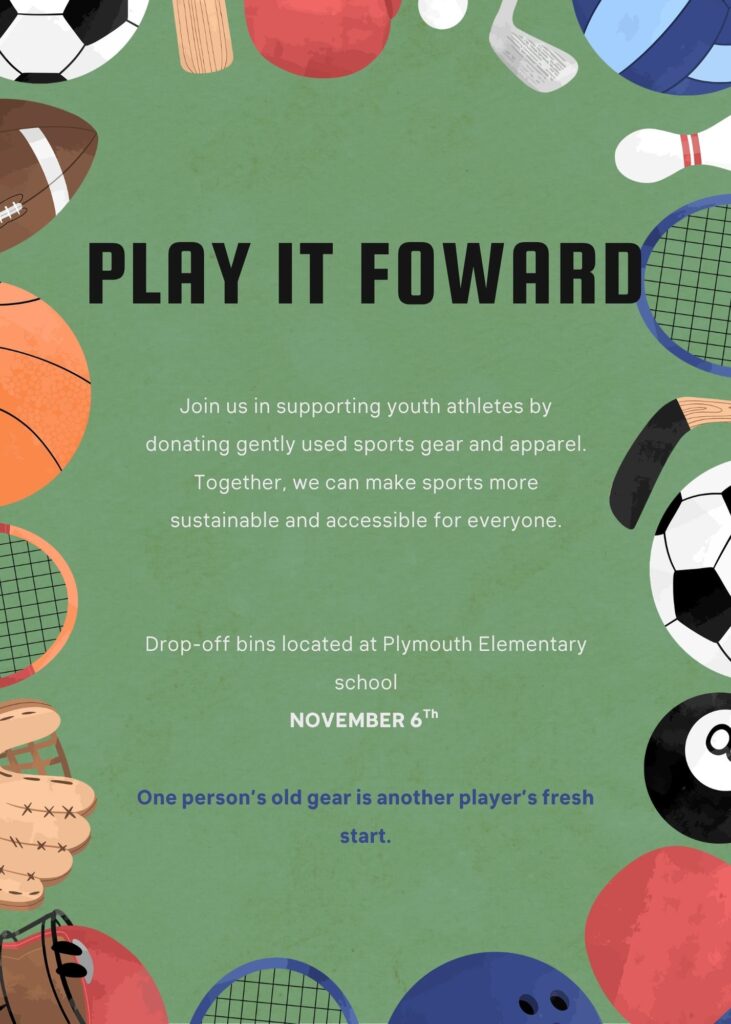
    Below is an example of what our final poster may look like!

  • Habits Of Mind Reflection 1

    The Habits of Mind seem so obvious: purposeful communication, problem solving, integrated perspective, and self-regulated learning. Four crucial variables to making a person successful. Without these factors most people would not succeed in what they do. Even though I am someone who perceives myself as representing all of these traits, I would not have thought of the specific moments where I portrayed all of these.

    The one I resonate with the most, purposeful communication, is one that I believe is important in all aspects of life. This component of the Habits of Mind is one that I have close to mastered in my daily life. As someone who has played sports their whole life (soccer, track and field, basketball, etc) there have been many moments where I have had to communicate with my teammates. Specifically, I am a captain for the women’s track team here at Plymouth. This position means that I have to communicate many things to my teammates, coordinate captains practices, and makes sure that my teams chemistry is on good terms. I also have to communicate with my coaches about what we are doing during practices, when we need to be there for meets/when buses leave, and what specifically we have to do as a team to be successful. The past year as a captain has improved my communication skills drastically and I am so grateful for that opportunity.

    KODAK Digital Still Camera

    Problem-solving is another Habit of Mind that I have had a lot of experience with. Connecting this aspect of the Habits of Mind to my major (Exercise and Sport Physiology) is only fitting. One major issue that we dive into in my major is “how do we get people to exercise?”. Surprisingly, this is a very difficult question to answer. So, in class we would talk about the different barriers to exercising/participating in physical activity regularly. Transportation, time, location, weather, health conditions, and simply not knowing how are all barriers to participating in the recommended amount of physical activity. This is a big problem, especially for the younger generation (us) to solve. Coming up with ideas to get people to want to exercise is so important and definitely helped to improve my problem solving skills.

    An integrative perspective is another habit of mind that is important to have. A moment where I have experienced this is when I was picking my major for college, my senior year of high school. I originally wanted to go into forensic science. My dad is a detective and I always found that field of work interesting. My dad sat me down and explained some of the implications that field of work can have on a persons mental health and how that can change my view of the world. I had never thought of it like that and he made me reconsider my decision. He then reminded me how much pride I take in sports and exercising, then reminded me how I love the field of science. After researching more about it, I found Exercise and Sports Physiology and the rest is history.

    Coming into college, I didn’t have the best time management skills, but after my freshman year, they improved significantly. This was because of self-regulated learning. Spring semester of freshman year, I had an online class that had many assignments. By many I mean, 7 or 8 a week. This made me have to plan out my assignments and when I had to do them. I went through many trials and errors. Many nights of cramming, but by the end of the semester I had a groove. Now, I have great time management skills and I owe it to self-regulated learning.

  • Hi! It’s Cass!

    Welcome to my page!